
The Evolution of Micro-Interactions
Small animations, big impact: how subtle movements shape user experience

Written by
Motion Design Lead

Digital experiences are becoming increasingly nuanced, with micro-interactions playing a crucial role in how users engage with interfaces. These tiny, purposeful animations do more than just delight—they provide essential feedback, guide user behavior, and create memorable experiences that keep users coming back.
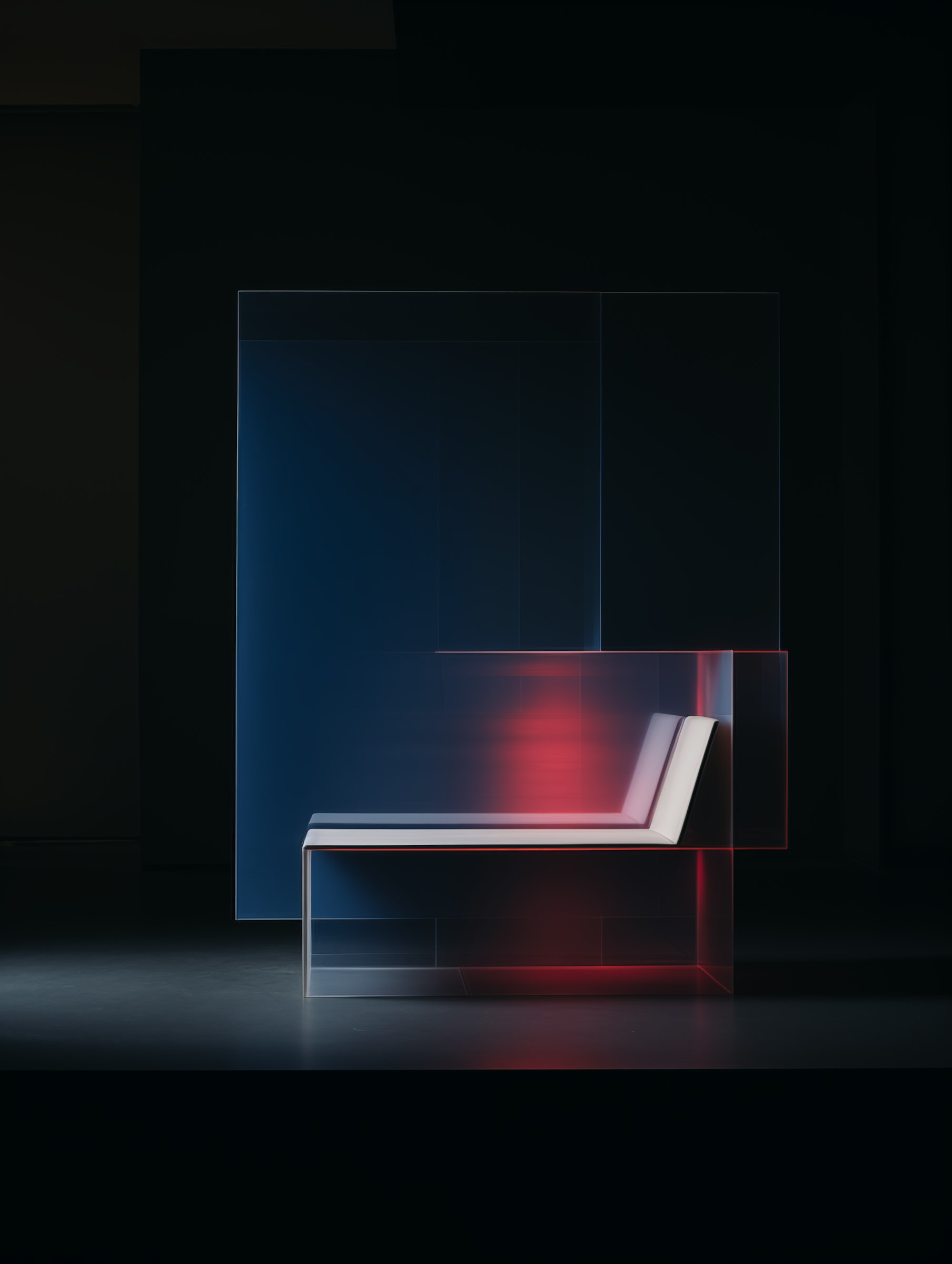
The Power of Subtle Feedback
Micro-interactions have evolved from simple hover states to sophisticated, context-aware animations that respond to user behavior. Today's successful digital products use these subtle movements to communicate status, confirm actions, and guide users through complex interactions. The key lies in finding the perfect balance between functionality and delight.
Modern micro-interactions incorporate haptic feedback, sound, and motion to create multi-sensory experiences. These elements work together to make interfaces feel more responsive and alive, while providing crucial feedback that helps users understand the results of their actions.
Implementation Strategy
The most effective micro-interactions are those that users barely notice but would miss if they were gone. They should feel natural and intuitive, enhancing the user experience without calling attention to themselves. This requires careful consideration of timing, easing, and context.
Best Practices
Keep animations under 400ms
Ensure consistency across platforms
Test performance impact
Consider reduced motion preferences
Maintain purposeful design
Successful micro-interactions require collaboration between designers, developers, and UX researchers to ensure they enhance rather than hinder the user experience. When done right, they become an integral part of the product's personality and user experience strategy.
Key Takeaways
Enhances user engagement by 34%
Reduces user error rates
Improves interface learnability
Strengthens brand personality
Increases user satisfaction metrics